
Electrical problems are easy to overlook until something starts flickering, sparking, buzzing, or stops working completely. For homeowners in Boynton Beach and throughout South Florida, electrical safety is especially important because homes are exposed to heat, humidity, heavy storms, salt air, and frequent power demands from air conditioning, appliances, outdoor lighting, and pool equipment.
While some electrical issues may seem minor at first, they can become serious safety hazards if left unresolved. Knowing what to watch for can help protect your home, prevent costly damage, and reduce the risk of electrical fires or shock.
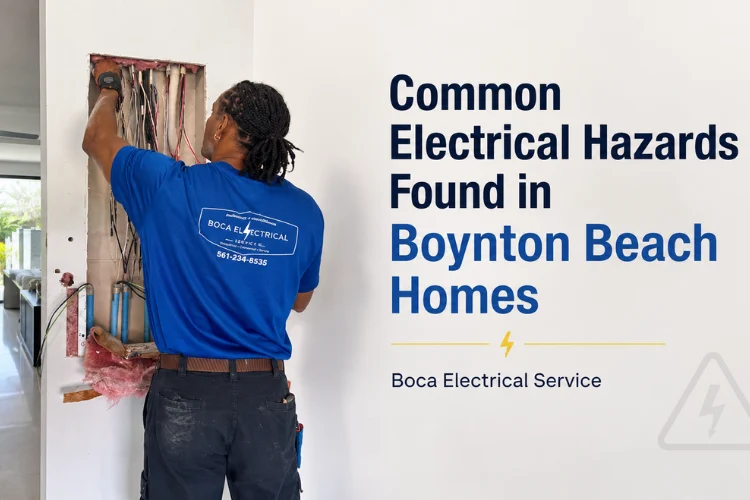
Here are some of the most common electrical hazards found in Boynton Beach homes.
1. Outdated or Aging Wiring
Many South Florida homes were built decades ago, and their electrical systems may not be designed for today’s power needs. Older wiring can become brittle, damaged, or overloaded over time, especially in homes that have added new appliances, home offices, security systems, EV chargers, or upgraded HVAC equipment.
Common warning signs of outdated wiring include:
- Flickering or dimming lights
- Frequently tripping breakers
- Warm outlets or switches
- Burning smells near outlets
- Buzzing sounds from walls or electrical panels
- Two-prong outlets in older rooms
If your Boynton Beach home still has older wiring or has not had an electrical inspection in years, it may be time to have a professional electrician check the system.
2. Overloaded Circuits
Overloaded circuits are one of the most common electrical hazards in residential homes. This happens when too many devices or appliances are drawing power from the same circuit.
In many homes, outlets are used for phone chargers, computers, TVs, kitchen appliances, fans, lamps, and extension cords all at once. While this may seem convenient, it can place too much demand on the circuit and cause overheating.
Signs of an overloaded circuit include:
- Breakers that trip often
- Lights that flicker when appliances turn on
- Outlets that feel warm
- Power strips that are overloaded
- A burning plastic smell near cords or outlets
If a breaker keeps tripping, do not keep resetting it without finding the cause. The breaker is doing its job by shutting off power when something is unsafe.
3. Faulty Outlets and Switches
Loose, cracked, or damaged outlets are more than just an inconvenience. They can create a shock or fire hazard, especially if the outlet no longer holds plugs securely or feels hot to the touch.
You should have an outlet inspected if you notice:
- Sparks when plugging something in
- Plugs falling out easily
- Discoloration around the outlet
- A buzzing or crackling sound
- Warm or hot outlet covers
- Intermittent power
In humid areas like Boynton Beach, moisture can also affect outlets, especially in garages, patios, bathrooms, kitchens, laundry areas, and outdoor spaces.
4. Missing or Faulty GFCI Protection
GFCI outlets are designed to help protect against electrical shock, especially in areas where water is present. These outlets are commonly required in bathrooms, kitchens, garages, laundry rooms, outdoor areas, and near pools.
If your home has older outlets near water sources, they may not have the proper GFCI protection. This can be dangerous because water and electricity are a serious combination.
You should check for GFCI outlets in:
- Bathrooms
- Kitchens
- Garages
- Laundry rooms
- Outdoor patios
- Pool areas
- Exterior outlets
If your GFCI outlet keeps tripping or does not reset, there may be an underlying issue that needs professional attention.
5. Storm and Surge Damage
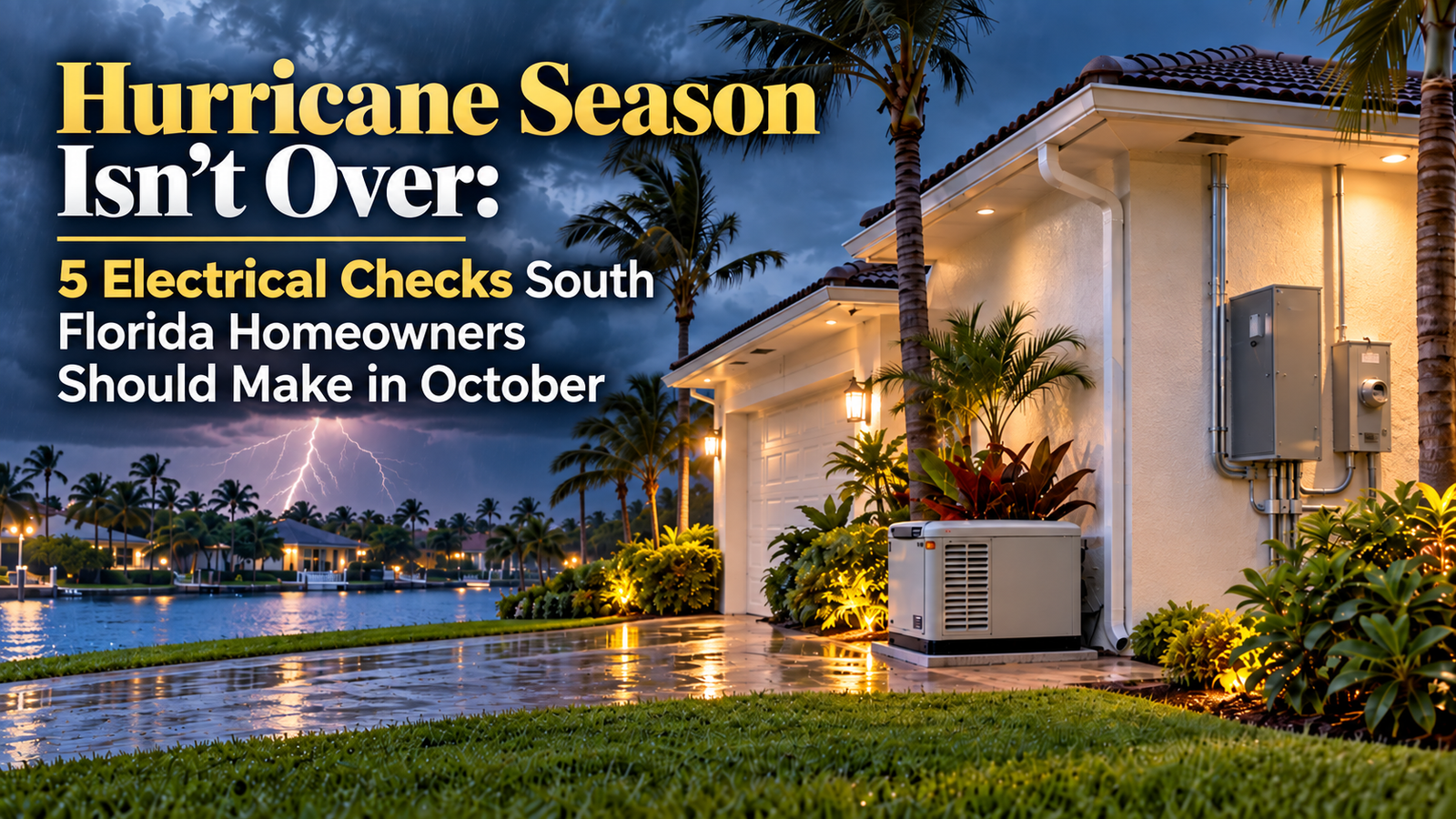
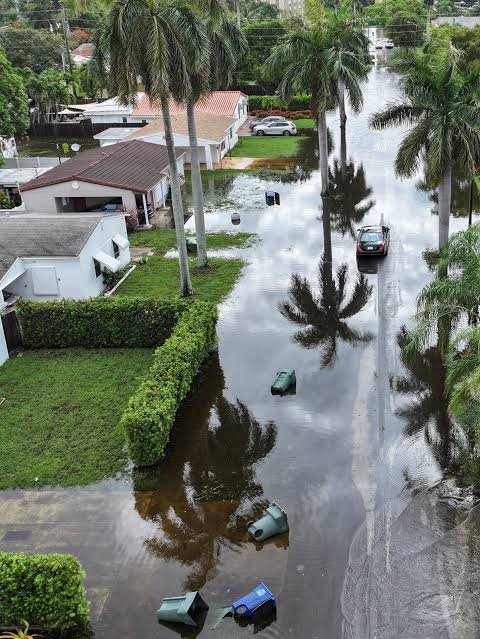
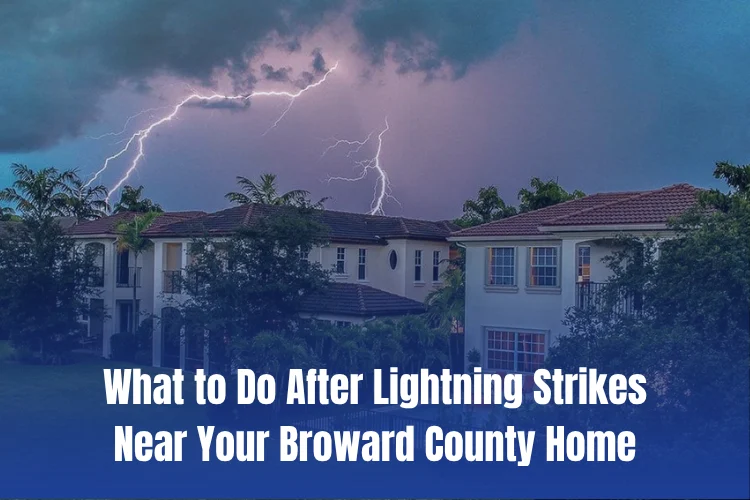
Boynton Beach homes are no stranger to heavy rain, lightning, tropical storms, and power surges. Sudden voltage spikes can damage wiring, outlets, panels, appliances, and sensitive electronics.
Power surges can happen because of:
- Lightning strikes
- Utility grid issues
- Storm-related outages
- Large appliances cycling on and off
- Damaged electrical equipment
Installing whole-home surge protection can help reduce the risk of damage to major appliances, electronics, HVAC systems, and home office equipment. After a major storm, it is also smart to pay attention to any new electrical issues, such as flickering lights, dead outlets, or tripping breakers.
6. Outdoor Electrical Hazards
Many Boynton Beach homes have outdoor lighting, pool equipment, patio outlets, landscape lighting, security cameras, and exterior appliances. These systems are constantly exposed to rain, humidity, heat, and salty coastal air.
Outdoor electrical hazards may include:
- Exposed wiring
- Cracked outlet covers
- Improper extension cord use
- Damaged landscape lighting
- Pool equipment wiring issues
- Outlets without weatherproof covers
- Moisture inside electrical boxes
Outdoor electrical work should always be handled carefully. Any wiring near water, pools, or exterior areas should be properly rated, protected, and installed according to safety standards.
7. DIY Electrical Repairs
DIY electrical work can create hidden hazards, especially when wiring is connected incorrectly or overloaded. Even small mistakes can lead to short circuits, electrical shock, damaged appliances, or fire risks.
Common DIY electrical problems include:
- Incorrectly wired outlets
- Loose wire connections
- Oversized breakers
- Improper junction boxes
- Exposed wires
- Overuse of extension cords
- Mismatched wiring materials
If you recently purchased a home in Boynton Beach, it is a good idea to have the electrical system checked, especially if you notice unusual repairs, mismatched outlets, or inconsistent power in certain rooms.
8. Electrical Panel Problems
Your electrical panel is the heart of your home’s electrical system. If the panel is outdated, overloaded, or damaged, it can affect the safety and performance of the entire home.
Signs of electrical panel issues include:
- Breakers that trip frequently
- Rust or moisture inside the panel
- Burning smells near the panel
- Buzzing or humming sounds
- Lights dimming throughout the home
- Breakers that feel hot
- Lack of space for new circuits
Homes with growing electrical needs may require panel repairs, upgrades, or added circuits to safely support modern appliances and equipment.
When Should You Call an Electrician?
You should contact a professional electrician if you notice any signs of electrical trouble, especially burning smells, sparks, warm outlets, repeated breaker trips, or flickering lights. These issues should not be ignored because they can point to deeper problems behind the walls or inside the panel.
A professional electrical inspection can help identify hazards early and give you a clear plan for repairs or upgrades.
Keep Your Boynton Beach Home Safe
Electrical hazards can develop slowly over time, but they can also become serious quickly. Whether your home has outdated wiring, storm-related damage, overloaded circuits, faulty outlets, or outdoor electrical concerns, it is always better to address the issue before it becomes an emergency.
Boca Electrical Service helps homeowners in Boynton Beach and nearby South Florida communities with electrical repairs, troubleshooting, inspections, panel concerns, outlet issues, and safety upgrades.
If you are concerned about an electrical issue in your home, call Boca Electrical Service at (561) 320-8539 to schedule service.